

Hidden Costs Nobody Mentions When Moving
Security deposits, application fees, and moving costs add up fast. Here's what to expect and how to budget for it.
Hydro, gas, water, and internet costs vary by building. Learn what's typical and how to keep bills reasonable.

When you're budgeting for your first apartment, utility costs can be a real surprise if you're not expecting them. They're not always included in rent, and they don't stay the same month to month. We're talking hydro (electricity), natural gas, water, and internet — all things you need but probably haven't paid for yourself before.
The good news? You're not starting from zero. Vancouver has pretty standard utility costs compared to other Canadian cities, and once you understand how they're calculated, you can actually control a lot of your bill. It's not magic — it's just knowing what drives the costs up and how to avoid wasting money.
Most one-bedroom apartments in Vancouver run between $120–$250 per month for all utilities combined during moderate seasons. Winter can push hydro and gas higher; summer might drop it.
Hydro (electricity) is usually your largest utility bill, especially in winter when heating kicks in. BC Hydro is the main provider in Vancouver, and they charge based on how many kilowatt-hours (kWh) you use.
A typical one-bedroom apartment uses about 800–1200 kWh per month. That sounds like a lot of numbers, but it translates to roughly $80–$140 depending on the season. Summer months tend to be cheaper because you're not running heating constantly. Winter? That's when your bill climbs.
Here's the thing — hydro rates in BC are actually lower than most provinces. But that doesn't mean you should be wasteful. Older buildings with poor insulation can push your usage up by 30% or more. If your landlord hasn't updated windows or weatherstripping, you're paying for their lack of maintenance.
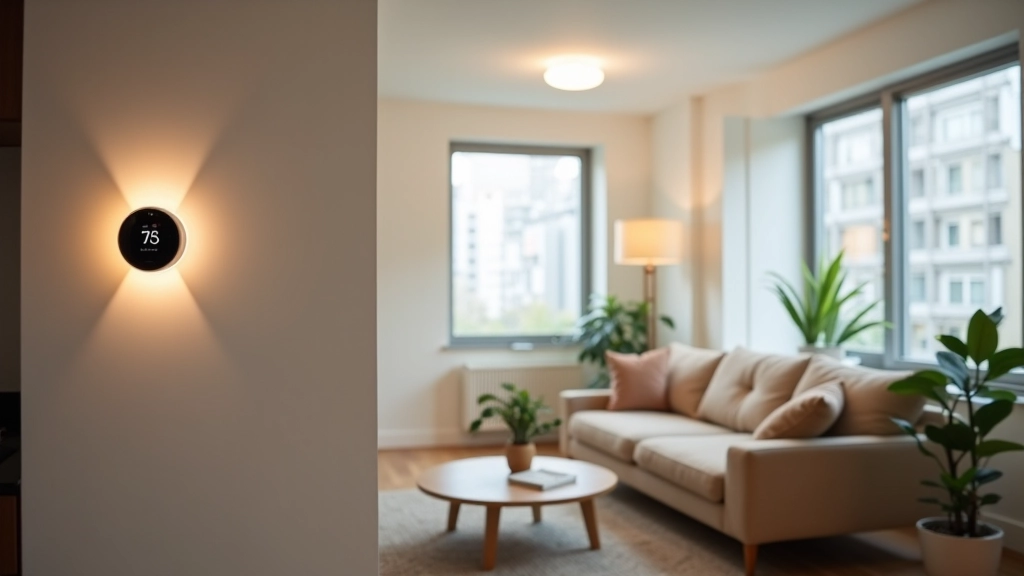

If your apartment uses natural gas for heating and hot water, you'll see a noticeable spike in winter. BC's winter isn't as brutal as Prairie provinces, but it's still cold enough to matter. Most apartments in Vancouver pay $30–$80 per month for gas, but that can jump to $100–$150 in January and February.
Gas costs are lower in summer because you're only using it for hot water, not heating. You'll notice a dramatic drop from November to April. This is why some renters find it helpful to average their costs across the year in their budget — it keeps surprises away.
One important thing: check whether your apartment is heated by baseboard electric heaters instead of gas. Baseboard heating is less efficient, so you might end up paying more in hydro instead of gas. Either way, the total heating cost is similar, but it matters for budgeting which one you have.

Editorial Team
Written by the RentReady editorial team, focused on practical, honest guidance for first-time renters navigating Vancouver's housing market.
This article is educational only and is not financial or investment advice. Outcomes are not guaranteed and may vary. Utility rates and costs change seasonally and can differ between buildings and providers. Always check with your specific utility provider for the most current rates in your area.
Here's some good news — water is often included in your rent or property taxes in Vancouver. Some apartments do charge it separately, but it's usually a small amount compared to hydro and gas. If you're paying separately, expect $20–$40 per month for a one-bedroom.
Water charges sometimes include sewer fees, which are based on how much water you use (since all that water eventually goes into the sewer system). There's not much you can do to dramatically cut water usage without sacrificing comfort, but taking shorter showers and fixing leaky taps does help. A dripping faucet can waste hundreds of liters per month.
When you're apartment hunting, ask your landlord whether water is included. It's a straightforward question that should have a straightforward answer. If it's not included, get the actual cost from your landlord or ask to see a recent bill.


Internet in Vancouver runs $50–$100+ per month depending on the provider and speed you choose. The major players are Shaw (now Rogers), Telus, and Lightspeed. You've got options, which is great because competition keeps prices somewhat reasonable.
Here's something most renters don't realize — you can negotiate your internet bill. If you've been with the same provider for a year and your promotional rate expires, call them and ask for a better deal. Mention competitor prices. They'd rather keep you at a lower rate than lose you entirely. Don't accept the first "sorry, that's the standard rate" answer.
Also check whether your building has any bulk internet deals. Some newer apartment buildings negotiate group rates with providers, which can save you $10–$20 per month. It's worth asking your landlord or building management before signing up with anyone.
Security deposits, application fees, and moving costs add up fast. Here's what to expect and how to budget for it.

Eating on your own costs less than you'd think if you plan meals. We break down real numbers and shopping strategies.

A simple system for tracking rent, food, transport, and entertainment without feeling restricted or stressed.
Your utility bills don't have to be a mystery or a budget-buster. Most Vancouver apartments run between $120–$250 per month for everything combined, but you've got real control over a significant portion of that.
The best approach? Track your usage for the first few months. Keep your bills and actually look at them — see which utilities spike in which months. Once you understand the pattern, you can budget smarter. Winter costs more. Summer costs less. That's normal, and you can plan for it.
Ask questions when you're apartment hunting. Ask whether utilities are included. Ask about the building's heating system. Ask if there are bulk internet deals. These conversations take five minutes but save you hundreds of dollars over a year.