

Hidden Costs Nobody Mentions When Moving
Security deposits, application fees, and moving costs add up fast. Here's what to actually expect when you're moving into your first place.
Eating on your own costs less than you'd think if you plan meals. We break down what actually works.

When you're living alone for the first time, grocery bills feel like they'll eat your entire paycheck. Thing is, they don't have to. Most people spending $400–600 a month on groceries aren't doing anything wrong—they're just not being intentional about it. We've put together a realistic breakdown of what one person actually spends on food, based on different eating styles and shopping habits.
Let's start with actual numbers. A single person in Vancouver typically spends between $250–400 per month on groceries, depending on what they buy and how they shop. That's not including restaurant meals or takeout—just groceries from the store.
Here's what influences your actual number:
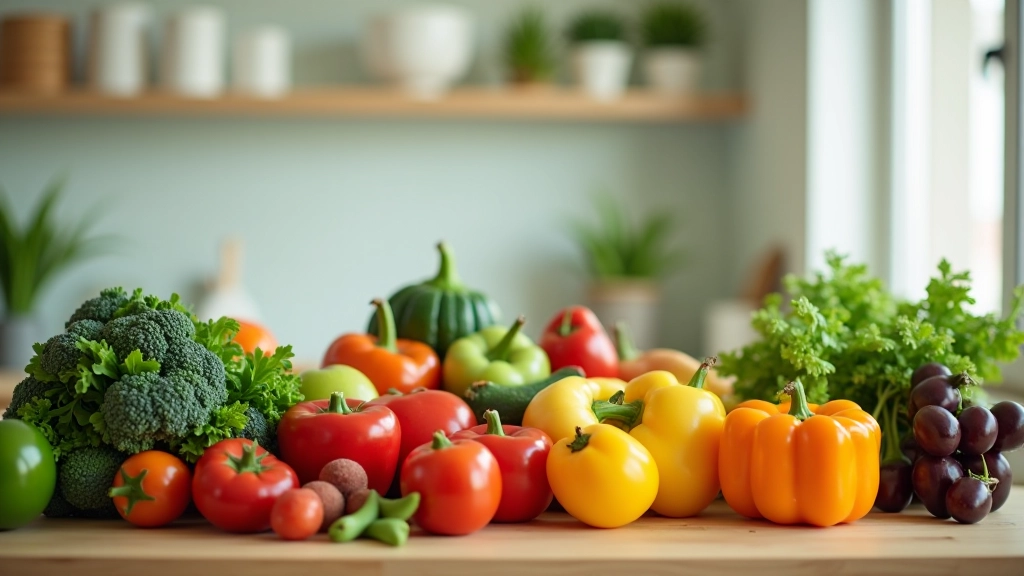
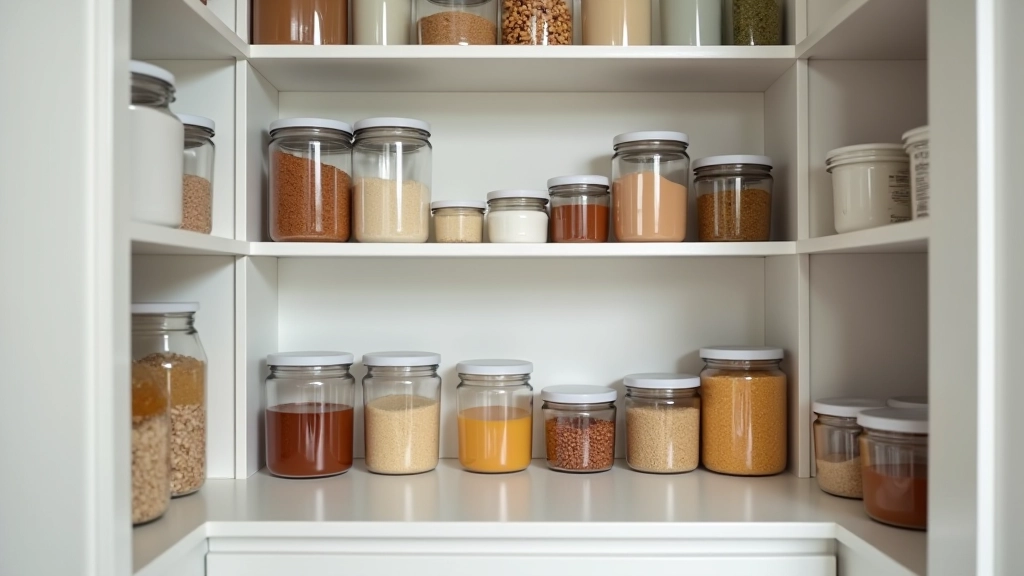
Here's where the money actually goes if you're aiming for about $300 a month:
$80–100
Chicken, ground beef, eggs, occasional fish. You're not buying premium cuts—just regular grocery store prices.
$60–80
Seasonal vegetables, basic fruits. Potatoes, carrots, broccoli, apples, bananas. Nothing fancy.
$70–90
Rice, pasta, bread, canned goods, oil, spices. The stuff that doesn't expire in three days.
$50–60
Milk, yogurt, cheese, butter. Plus the random stuff—coffee, tea, snacks you actually want to eat.
This article is educational only and is not financial or investment advice. Outcomes are not guaranteed and may vary. Your actual grocery costs depend on your location, shopping habits, dietary needs, and store choices. Use these figures as a reference point, not an exact prediction.
We've talked to renters in Vancouver who've actually stuck to their grocery budgets. Here's what they do differently:
Pick 5–6 meals you actually like and rotate them. Chicken with rice and vegetables. Pasta with ground beef. Tacos. Eggs with toast. You're not eating the same thing every single day—you're just not reinventing dinner every night. This cuts your decision-making time and reduces waste.
Go to the store with a list and don't deviate. You'll spend an average of 30% more if you're browsing. The impulse buys add up fast—fancy cheese, snacks you don't need, that expensive coffee you thought looked good. Shop the perimeter of the store first (produce, dairy, meat), then grab staples. Skip the middle aisles unless you're specifically looking for something.
Pick one day a month when you do a big stock-up run. Costco, discount grocery stores, or end-of-month sales. Buy the staples and frozen items that store well. This reduces your regular grocery store visits and lets you take advantage of bulk prices on things that don't spoil.

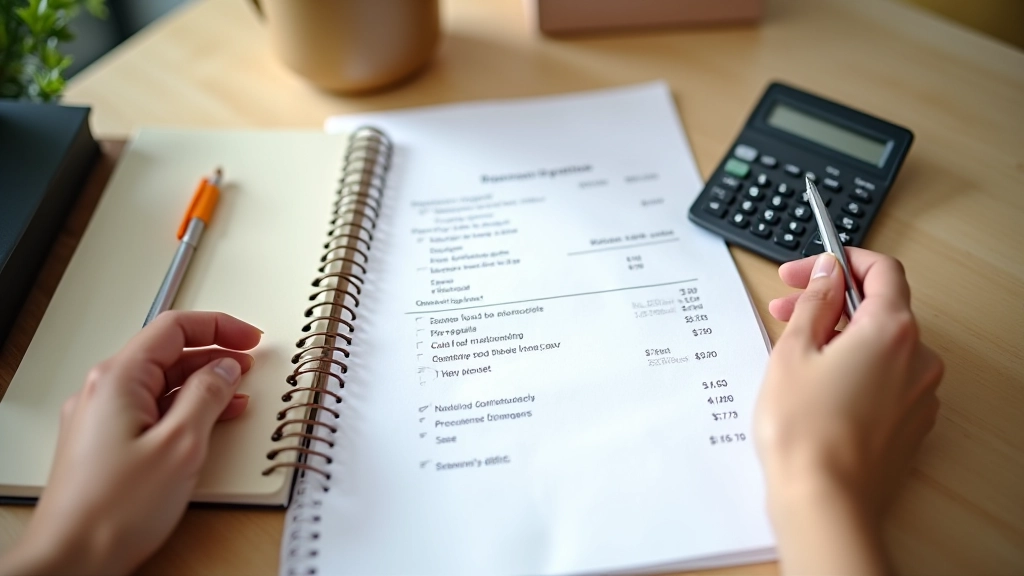
Here's something people don't always consider: one restaurant meal is often equivalent to 2–3 days of groceries for one person. A $16 lunch is the same as buying a week's worth of sandwich ingredients. That doesn't mean you can't eat out—it means every restaurant meal is a conscious choice that affects your budget.
If you're trying to stay at $300 a month for groceries, you can still eat out 2–3 times a month. Just not every week. And if you're the type who wants takeout twice a week, your grocery budget probably needs to be closer to $200 to balance it out.
The math is simple: you've got a food budget. You decide how to split it between groceries and restaurants. Both are valid. Just be honest about what you're actually spending.
This is what a realistic month looks like when you're intentional about spending:
Initial stock-up: proteins, fresh produce, staples. Spend more upfront so you have basics for the month. ~$85
Top up produce (things went bad faster than expected) and grab milk/dairy. ~$50
Light shopping week. You're still eating the rotation from week 1. Grab coffee and snacks. ~$45
Final push—fresh items and whatever staples are running low. ~$50
You can eat well on $250–350 a month if you're intentional. It's not about restriction or eating boring food. It's about knowing what you're buying before you walk into the store, picking meals you actually enjoy, and understanding that every restaurant meal is a choice that comes from the same budget.
Start tracking what you actually spend this month. Write it down. Then look at it honestly and decide if you want to adjust next month. Most people find they're surprised at where the money goes—and once they see it, they can actually do something about it.
Continue reading about budgeting for your first apartment
Security deposits, application fees, and moving costs add up fast. Here's what to actually expect when you're moving into your first place.
Hydro, gas, water, and internet costs vary by building. Learn what's typical and how to budget for the unexpected.

A simple system for tracking rent, food, transport, and entertainment without feeling like you're always counting money.